

SOCIAL-ROBOTICS.COMField monitor online · daily sweep 06:00 UTC
Social Robotics
Field guide · Daily monitor

Robots built to live and work with people

Social robotics is the study and design of robots that interact with humans the way humans interact with each other: through speech, gaze, gesture, expression and shared social rules. This site maps the field, from medieval automata to conversational robots, and tracks what happens in it every day.

Start with the basics Today's roundup

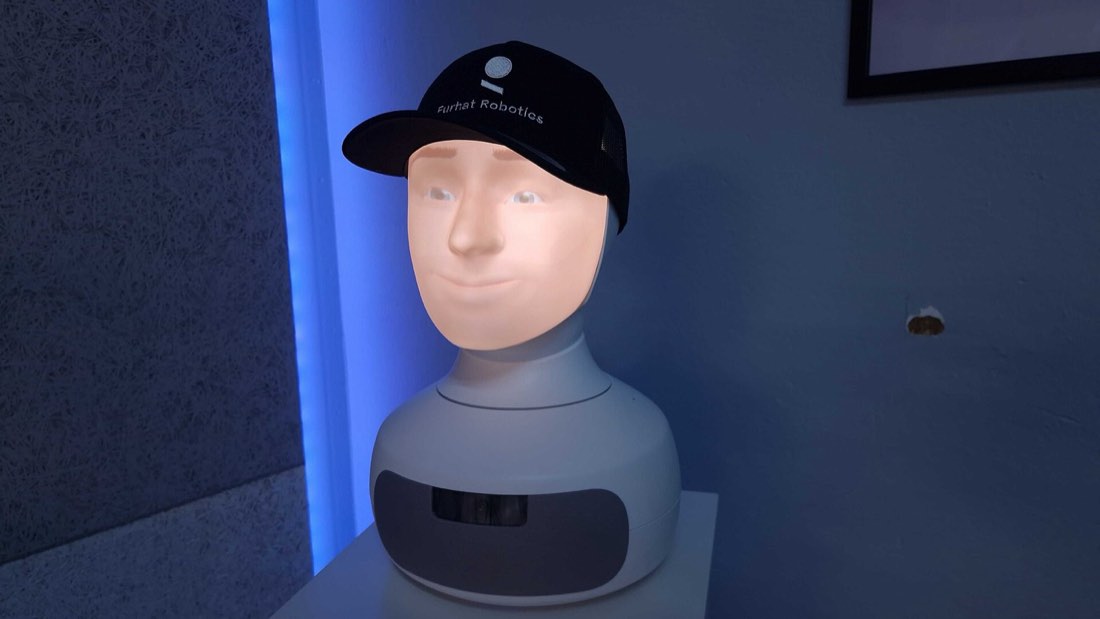
A Furhat social robot head with a projected face. Image: photo by Guojing92, CC0, via Wikimedia Commons. Henri Maillardet's writing automaton, c. 1800. Image: photo by Daderot, Franklin Institute, public domain, via Wikimedia Commons.

Daily roundup

All posts →

A short summary each day of what is happening in social robotics, with links to the original stories.

The first daily roundup is on its way.

§ Dossier / Automata

The machines that pretended to be alive

Al-Jazari's musicians, the Mechanical Turk, Robert-Houdin's orange tree and the Magic Castle's yes-or-no owl. Long before computers, magicians and clockmakers built the first social machines.

Open the dossier
The Mechanical Turk chess automaton. Image: engraving from Karl Gottlieb von Windisch's book on the Turk, 1783, public domain, via Wikimedia Commons. Poster for the Théâtre Robert-Houdin. Image: poster, Bibliothèque nationale de France, public domain, via Wikimedia Commons.

Latest from the field

Updated 6 November 2026

Collected automatically each morning from robotics publications and new papers on arXiv.

News

Robohub

Research could guide the future design of social robots

By the University of Glasgow Giving robot companions animal-like or anime-style faces and voices could maximise their emotional appeal to users, according to new research which could help guide the growing field of...

New research

All news and research →

Social robotics in one minute

Most robots are built to act on objects: welding a car body, moving a pallet, vacuuming a floor. A social robot is built to act with people. Its main job is the interaction itself: holding a conversation, teaching, keeping someone company, guiding them through a building or encouraging them through an exercise.

That makes social robotics a meeting point of engineering, computer science, psychology and design. Building the machine is only half the work. The other half is understanding how people actually respond to something that looks at them, talks back and seems to have intentions of its own. Read more.